Acupuncture FAQ’s
-
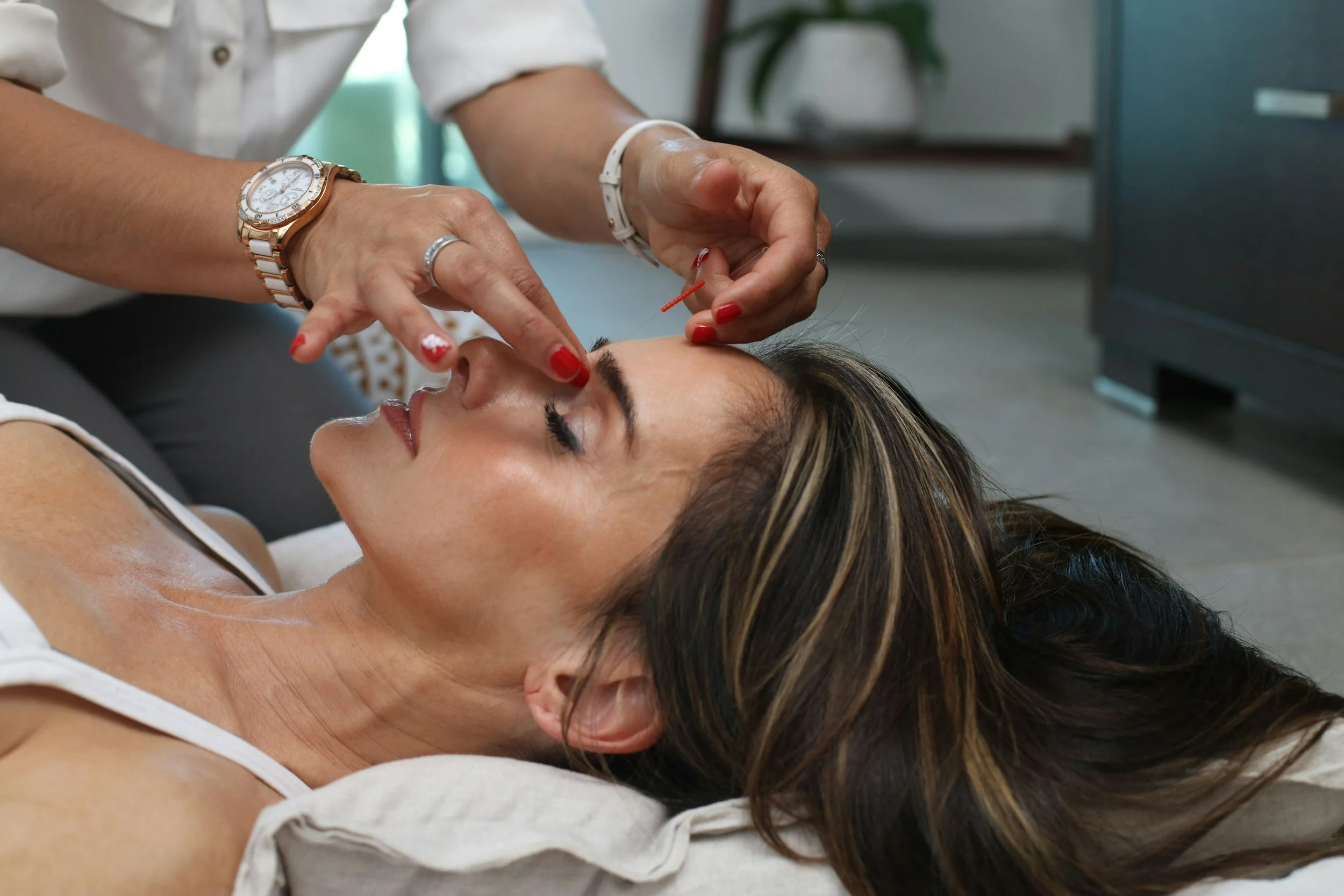
Acupuncture is a form of traditional Chinese Medicine that uses very fine, sterile needles to stimulate points on the body. This helps restore balance, improve circulation, and support the body’s natural healing process.
-
Most people feel little to no pain. You may notice a light pinch on insertion and sensations like warmth, heaviness, or tingling — all normal signs that treatment is working.
-
Acupuncture is commonly used for pain relief, stress, anxiety, headaches, digestive issues, hormonal balance, insomnia, and overall wellness. I specialize in treating muscles and joints, and help clients decrease pain, increase range of motion, and reduce tension.
-
Eat a light meal or snack beforehand, wear loose, comfortable clothes, and avoid greasy foods, caffeine, and alcohol right before and after your appointment.
-
We’ll start with a intake to discuss your concerns and health history. Then you’ll relax on the treatment table while needles are placed and left for 30 minutes. Many clients find it deeply relaxing.
-
Yes — when performed by a licensed practitioner, acupuncture is safe. I use single-use, sterile needles and follow strict hygiene protocols.
-
It varies by condition and your body’s response. Some people feel relief after one session, while others benefit from a short series of treatments. I recommend a short series of 4-6 treatments over 2-3 weeks to best evaluate how your body responds to acupuncture initially. Chronic/severe issues can take a few months of consistent weekly treatments for substantial, permanent improvement.
-
You may feel relaxed, energized, or a little sleepy. Occasionally mild soreness and bruising occurs. These affects are temporary and part of the healing process.
-
I do not accept insurance, but I can give you an itemized receipt to submit to your FSA or HSA for reimbursement. The first session costs $100, and follow-up sessions are $80. I also offer packages, 4 sessions for $280 and 7 sessions for $480. Package sessions can also be interchanged with 60 minute massages.
-
Both use thin, sterile filiform needles, but differ in approach and treatment goals.
Acupuncture is based on traditional Chinese medicine and uses both local and distal acupuncture points and a comprehensive assessment to address your unique pattern of symptoms.
Dry needling focuses specifically on treating muscles and connective tissue by targeting trigger points and tense areas to reduce pain and improve mobility.
As a dual licensed acupuncturist and massage therapist with experience working in chiropractic and physical therapy practices, I blend both approaches when needed for the most effective, individualized care.